
Gym Flooring FAQs: Care, Installation & Choosing the Right Floor

Find answers to common gym flooring questions, from choosing the right material and thickness to cleaning, installation, noise, and protecting your floors from heavy equipment.

Rubber flooring is a popular choice for home gyms because it is durable, provides good traction, and helps protect the floor underneath from equipment and everyday impact. The right option depends on how you use the space. Lighter workouts and cardio may need less protection, while weightlifting areas benefit from thicker, more impact-resistant flooring.
Rubber flooring is commonly used in commercial gyms because it can handle heavy equipment, frequent foot traffic, and regular workouts. Rubber rolls can work well across larger areas, while rubber tiles are useful in areas where heavier equipment or weights are used. Some gyms also combine rubber flooring with turf or other surfaces for different training areas.
There is no single thickness that works for every gym. Lighter-use areas, such as cardio and general fitness spaces, can often use thinner rubber flooring, while free-weight and heavy lifting areas need more impact protection. Depending on the use, options can range from around 6–10 mm for lighter applications to 20 mm or more for heavier training.
Heavy weightlifting requires more impact protection than a typical cardio or fitness area. Thicker rubber tiles or a dedicated lifting area can help absorb impact and protect the subfloor. For heavier lifting and repeated weight drops, flooring around 20–30 mm or more may be appropriate, depending on the equipment, subfloor, and type of training.
Yes. Rubber flooring is a practical choice for many home gyms because it is durable, easy to maintain, provides traction, and helps protect the floor from exercise equipment and weights. It can also help reduce some noise and vibration, although the amount of noise reduction depends on the flooring system and building construction.
Rubber rolls are a good option for covering larger areas with fewer seams, while rubber tiles can be easier to install around equipment, corners, and smaller spaces. Individual tiles can also be replaced if one section becomes damaged. The best option depends on the size and layout of the space, the type of equipment being used, and the level of impact.
Yes. Rubber gym flooring can generally be installed over a clean, dry, smooth, and level concrete surface. Any cracks, uneven areas, moisture problems, or other subfloor issues should be addressed before installation. The flooring thickness should also match the type of activity and equipment being used.
In some situations, yes. The existing surface needs to be clean, dry, stable, and level before gym flooring is installed. Ceramic tile, for example, may require additional consideration because joints and uneven areas can affect the finished surface. The existing flooring and installation method should be assessed before choosing the right gym flooring system.
Gym flooring can help reduce impact noise and vibration, but it does not eliminate them completely. Thicker rubber flooring can provide more impact absorption, while spaces above other occupied areas may require additional acoustic measures. This is particularly important for condos, apartments, and multi-storey buildings where vibrations can travel through the structure.
For a condo or strata fitness room, flooring should be selected based on both durability and noise and vibration control. Rubber flooring is often a good starting point, but the appropriate thickness and installation system depend on the equipment and activities in the room. Free-weight areas may need more impact protection than cardio or stretching areas.
Using appropriate rubber flooring can help absorb some of the impact from equipment, footsteps, and dropped weights. However, flooring alone may not solve every noise problem, particularly with heavy impact on upper floors. For strata buildings, the flooring system may need to be combined with an appropriate acoustic underlay or other measures to help reduce vibration through the building structure.
Start by regularly sweeping or vacuuming the floor to remove dust, dirt, and grit. For routine cleaning, use a damp mop and a mild cleaner that is suitable for the flooring material. Avoid harsh chemicals and excessive water, and follow the manufacturer’s cleaning recommendations. Regular cleaning is especially important in gyms where sweat, dust, and heavy traffic can quickly build up.
Yes. One of the main benefits of gym flooring is protecting the subfloor from scratches, dents, impact, and equipment movement. Thicker and denser flooring provides greater protection in areas where heavy weights are being used or dropped. The right thickness should be selected based on the equipment and type of exercise.
Yes. Gym flooring can provide a stable, protective surface underneath treadmills, bikes, rowing machines, weight machines, and other equipment. For cardio equipment, a durable rubber floor can help protect the surface underneath and provide traction. Heavy equipment should be placed on flooring designed to support its weight and intended use.
The lifespan of gym flooring depends on the material, quality, thickness, installation, amount of traffic, and type of equipment being used. Well-maintained commercial gym flooring can last many years, with some products designed to provide 20 years or more of service under suitable conditions. High-traffic or heavily impacted areas may need repairs or replacement sooner.

Visit an Exclusive Floors Showroom Near You

Explore our flooring collections at one of our convenient showroom locations across the Fraser Valley and Metro Vancouver. Our team is ready to help you find the perfect flooring solution for your home, from product selection to professional installation.
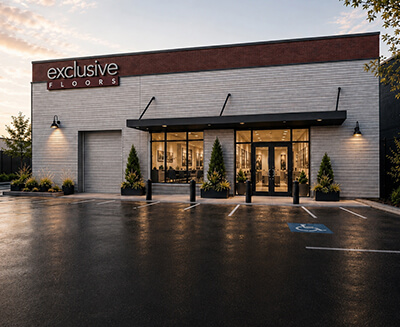
Botox Burnaby | EverYoung Skin Care Clinic

Vancouver Showroom

Explore quality flooring and personalized service at our Vancouver showroom. Our team helps you find the right materials, styles, and finishes for your home.
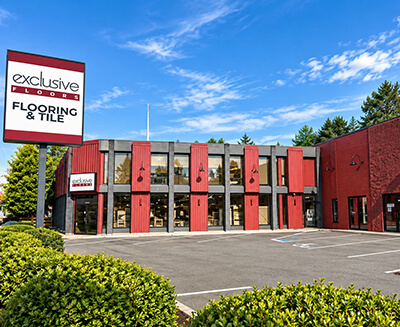
Botox Burnaby | EverYoung Skin Care Clinic

Abbotsford Showroom

Discover premium flooring and personalized service at our Abbotsford showroom. Our team helps homeowners choose the right materials, styles, and finishes.
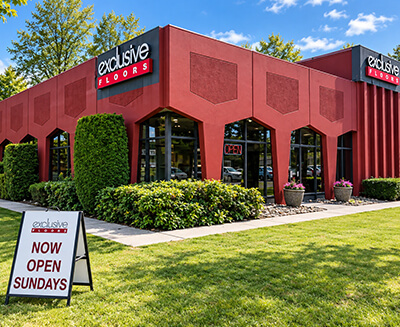
Botox North Vancouver | EverYoung Skin Care Clinic

Coquitlam Showroom

Explore our Coquitlam showroom and find flooring solutions that match your home’s style, lifestyle, and project goals with guidance from our flooring experts.
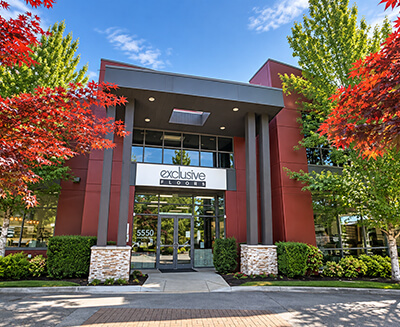
Botox Port Coquitlam | EverYoung Skin Care Clinic

Surrey Showroom

Visit our Surrey location for a wide range of flooring products, expert recommendations, and professional installation support from our dedicated team.

Planning a New Gym Space? Let’s Talk Flooring

Whether you’re creating a home gym, upgrading a commercial fitness space, or planning a shared strata facility, our flooring team can help you find an option that fits your space, equipment, and everyday use.

Visit one of our showrooms in Surrey, Coquitlam, Abbotsford, or our new Vancouver showroom, or contact our team for expert advice.